
Chosen Theme: Using Natural Clay for Earthy Tones

Welcome, kindred makers and mindful designers. Chosen theme: Using Natural Clay for Earthy Tones. Today we celebrate the warmth, depth, and honest beauty clay brings to rooms, ceramics, and everyday rituals. Settle in, breathe easy, and join our community—comment with your clay stories and subscribe for future earthy inspiration.

Why Natural Clay Creates Soulful Earthy Tones

Clay’s earthy tones bloom from iron oxides, manganese, and subtle particle sizes that scatter light differently on textured surfaces. Ochres read warm, umbers deepen shadows, and terracotta sings softly. Together they build palettes that feel ancient yet alive, especially when left matte and breathable.

Preparing Clay for Pigments, Plasters, and Washes

Collect from eroded cuts or purchase from reputable suppliers who document provenance. Soak to slake, decant floating organics, and discard pebbles. Respect waterways and seek permission where needed. Keep batches labeled, and note color shifts between wet and dry so your earthy tones remain consistent across projects.

Applying Clay in Interiors: Plasters, Floors, and Accents

Mix clay with sand and fiber for body, then trowel in thin, patient coats. The finish dries matte, regulates humidity, and glows with mineral depth. A final compression pass gently burnishes highlights. Ask questions below about substrates, primers, and corners—we love helping first-time clay plasterers succeed.

Applying Clay in Interiors: Plasters, Floors, and Accents

Earthen floors blend clay, sand, and straw over a compacted base, then cure slowly before receiving natural oil and wax. The result feels grounded, surprisingly resilient, and visually soft. Keep traffic light during cure. If you’ve lived with one, share maintenance tips so newcomers avoid common missteps.
Ceramic Expressions of Earthy Tones

Low-fired terracotta leans coppery and porous; stoneware fires denser, with deeper browns and greys when iron is present. Know your cone range, shrinkage, and grog content. Match form to function so earthy tones read intentional, whether you’re throwing cups or hand-building sculptural candleholders.

Ceramic Expressions of Earthy Tones

Terra sigillata and burnishing create a soft sheen that amplifies color without high-gloss glare. Oxide washes settle into textures, telling quiet geological stories. Unglazed rims add tactility where lips meet cup. Share your favorite finishing combo below, and subscribe for kiln logs and testing checklists.

Ceramic Expressions of Earthy Tones

One winter, a potter friend fired a family table set in a speckled iron stoneware. No glaze, just polished terra sigillata. The pieces felt sun-warmed even in snowlight. That dinner changed their home’s palette—proof that using natural clay for earthy tones can start right at the dinner table.

Designing an Earth-Tone Palette That Feels Alive

Build around yellow ochre for warmth, raw umber for grounding, burnt sienna for vibrancy, and terracotta for friendly glow. Temper with clay-tinted whites. This spectrum keeps sightlines calm while giving depth to alcoves, shelves, and trim. Post your mood boards—let’s refine together.

Designing an Earth-Tone Palette That Feels Alive

Pair clay’s matte softness with linen, jute, unfinished wood, and stone. Avoid too many reflective surfaces that fight the mineral quiet. A single oxidized metal accent can anchor the scheme. Tell us which textures you love with your clay finishes, and subscribe for sourcing lists and care guides.

Sustainability and Wellbeing with Clay

Clay plasters and washes are typically low in volatile compounds and require minimal synthetic binders. They are easy to repair without stripping entire walls. Choosing local material further reduces transport impact. Comment with your preferred eco binders—we’ll compile a community-tested reference for beginners.

Sustainability and Wellbeing with Clay

Clay’s hygroscopic nature helps buffer indoor humidity, while its mass can soften temperature swings. The sensation is subtle but noticeable in daily life. Combine with good ventilation and shading. If you’ve monitored indoor comfort metrics, share your data to help quantify these everyday, lived benefits.

Hands-On Projects to Start Today

Whisk refined clay with water and a small amount of natural binder, then brush in crisscross strokes for a soft, clouded finish. Test on hidden areas first. Post your ratios and drying notes below to help others dial in their perfect earthy translucency.

Hands-On Projects to Start Today

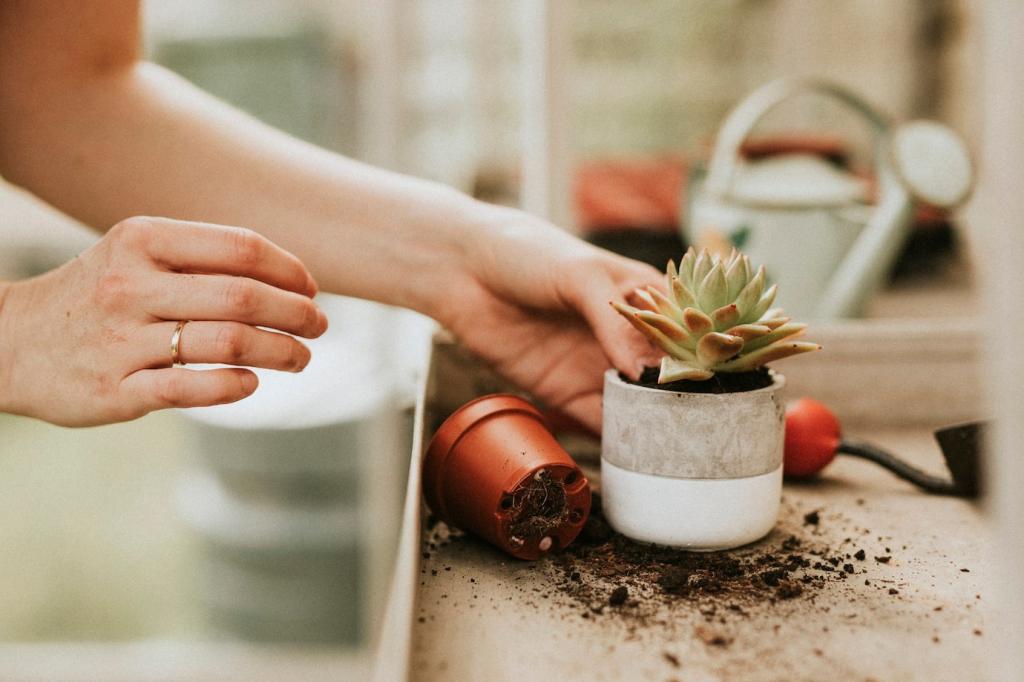
Pinch or coil a small planter using grogged clay for stability. Smooth with a damp sponge, carve a simple pattern, and slow dry to avoid cracks. Plant a trailing pothos and watch the greens sing against warm terracotta. Share progress photos—we learn fastest together.
Mobileforkliftrepair
Privacy Overview

This website uses cookies so that we can provide you with the best user experience possible. Cookie information is stored in your browser and performs functions such as recognising you when you return to our website and helping our team to understand which sections of the website you find most interesting and useful.